

March12—TheObesityandMetabolismFrontierForum,hosted by Jinan University, convened at the Shipai Campus, bringing together leading metabolic disease researchers from the University of Toronto, Peking University, Fudan University, Sichuan University, and other internationally renowned institutions. The forum centered on obesity and metabolic disorders—one of the most pressing global public health challenges of our time—facilitating in-depth exchanges on frontier scientific achievements, core biological questions, and translational pathways from bench to bedside.
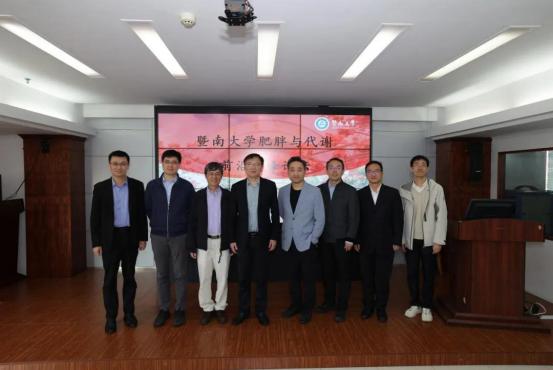
ProfessorChenGuobing, Dean of the School of Medicine, extended a warm welcome to the assembled scholars and highlighted the School's disciplinary strengths, research portfolio, and talent cultivation outcomes in obesity and metabolism. He encouraged students to seize this academic opportunity, deepen their expertise, and sharpen their research acumen. The forum was co-organized and moderated by Associate DeanFanJun,Associate DeanWangGuang,and ProfessorXuGeyangfrom the Department of Physiology.
The plenary session featured four high-impact keynote presentations that showcased breakthrough findings from decades of dedicated research:
Professor Tony Lam (University of Toronto) delivered Feeding and Glucoregulatory Effects of the Dorsal Vagal Complex, systematically dissecting the molecular mechanisms by which this critical brainstem center governs feeding behavior and glucose homeostasis, while illuminating novel therapeutic targets for obesity and diabetes—offering fresh conceptual frameworks for central metabolic regulation.

ProfessorZhangWeizhen(Peking University) presented Can Intestinal LGR4 Be the Target for the Intervention of Obesity and MASLD?, probing intestinal nutrient transport mechanisms and signal transduction pathways to evaluate LGR4's translational potential in combating obesity and metabolic dysfunction-associated steatotic liver disease, effectively bridging fundamental discovery with clinical intervention.

ProfessorZhaoTongjin(Fudan University) shared LAT2 Controls Obesity by Tuning Digestive Capacity, addressing the marked inter-individual variability in nutrient absorption efficiency observed clinically. His team elucidated the precise molecular machinery governing fat absorption while advancing the development of targeted inhibitors—charting a viable pathway toward precision therapeutics for obesity.

ProfessorProfessorHeJinhan (Sichuan University) presented The Role of MANF in Metabolic Diseases, comprehensively mapping MANF protein's core regulatory mechanisms in energy metabolism and homeostatic maintenance, alongside its therapeutic applications across metabolic disorders—substantially expanding the horizons of targeted metabolic disease treatment.

The presentations, characterized by methodological rigor and conceptual originality, wove together insights from central neural control, intestinal nutrient absorption, lipid metabolism regulation, and key protein function to construct a coherent narrative of molecular pathogenesis, emerging drug targets, and translational progress in metabolic disease. Faculty and students engaged attentively throughout, with lively Q&A sessions generating vibrant scholarly dialogue. Participants noted that the forum's assembly of top-tier global expertise not only provided systematic exposure to cutting-edge developments but also broadened academic horizons and sparked innovative research ideas—laying robust groundwork for subsequent study, project selection, and career planning.
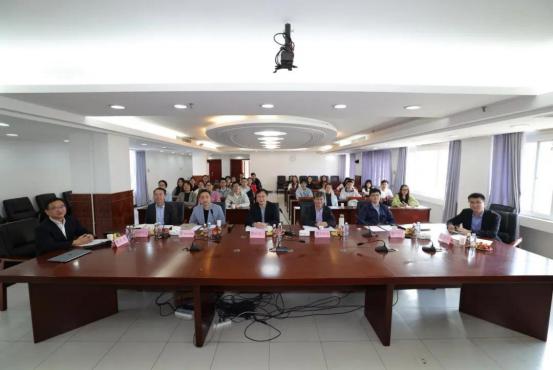
The successful convening of this forum has strengthened Jinan University's academic and research partnerships with leading institutions worldwide, while providing young scholars with an unparalleled platform to engage with frontier science and interact with field luminaries. By accelerating the exchange and clinical translation of metabolic research, the forum demonstrates the university's commitment to advancing the fight against metabolic diseases and safeguarding public health through scientific excellence.
