

Dr. Tiange Lang(15th Ph.D. of Gunnar C. Hansson) and Gunnar C. Hansson (Medical Member of the Royal Swedish Academy of Sciences), have conducted a series of systematic studies on the origin, evolution, genetic structure and functional characteristics of mucins. They have published multiple research findings in top international journals including Molecular Biology and Evolution andPNAS, etc. In 2022, their team discovered the novel human gene MUC3B for the first time in the human genome, which perfected the complete structure of the mucin gene cluster on human chromosome 7 and filled the sequence gaps existing in previous genome assemblies.
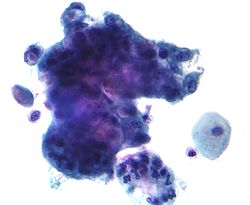

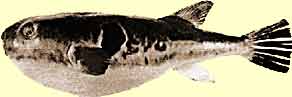
Through cross-species genomic analysis and evolutionary tracing in early studies, the research clarified the emergence rules of mucins during the early evolutionary stage of multicellular animals, identified the mucin gene profiles of species such as chickens and pufferfish, and analyzed the exon coding characteristics of mucin functional domains as well as the composition of relevant gene loci. Meanwhile, it illustrated the evolutionary origin of FCGBP, a key component of mucins, establishing a basic theoretical framework of mucins from the perspective of origin and development.
In his subsequent independent research, Dr. Lang focused on the core functional regions ofgel-formingmucins. He innovatively applied SMRT sequencing technology to overcome the difficulties in analyzing tandem repeat sequences that could not be resolved by traditional sequencing methods, and precisely revealed the fine structural characteristics of functional domains of gel-forming mucins for the first time.
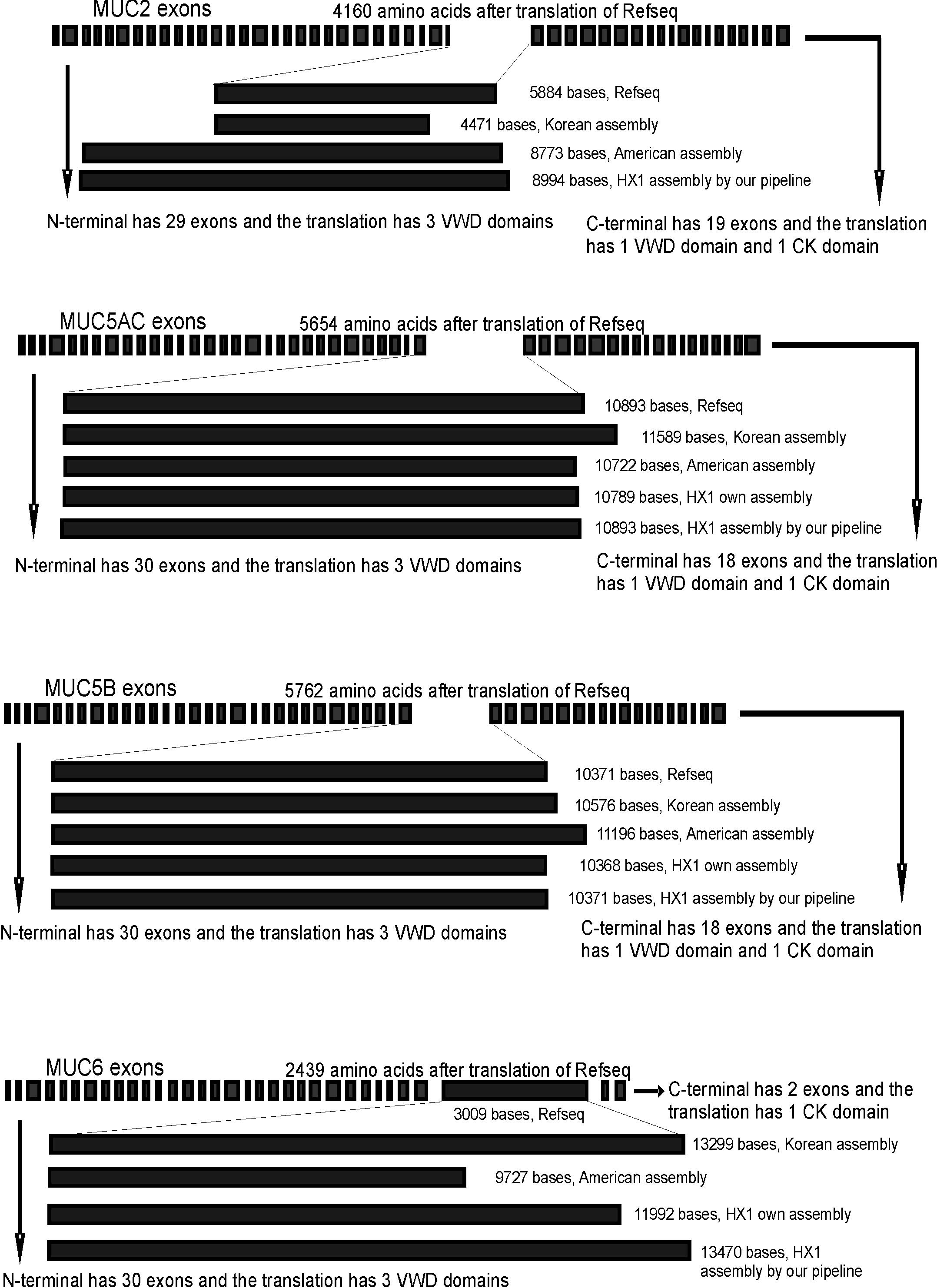
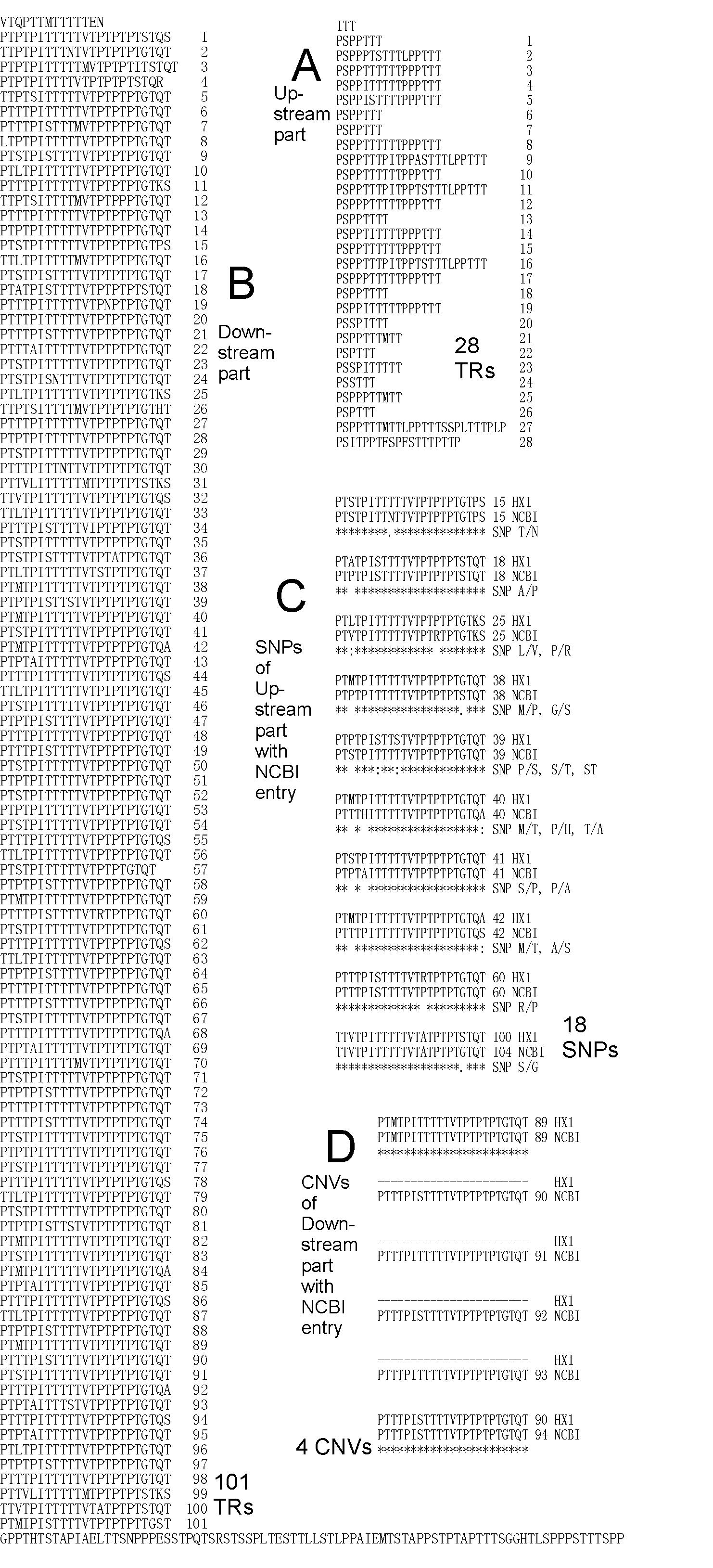
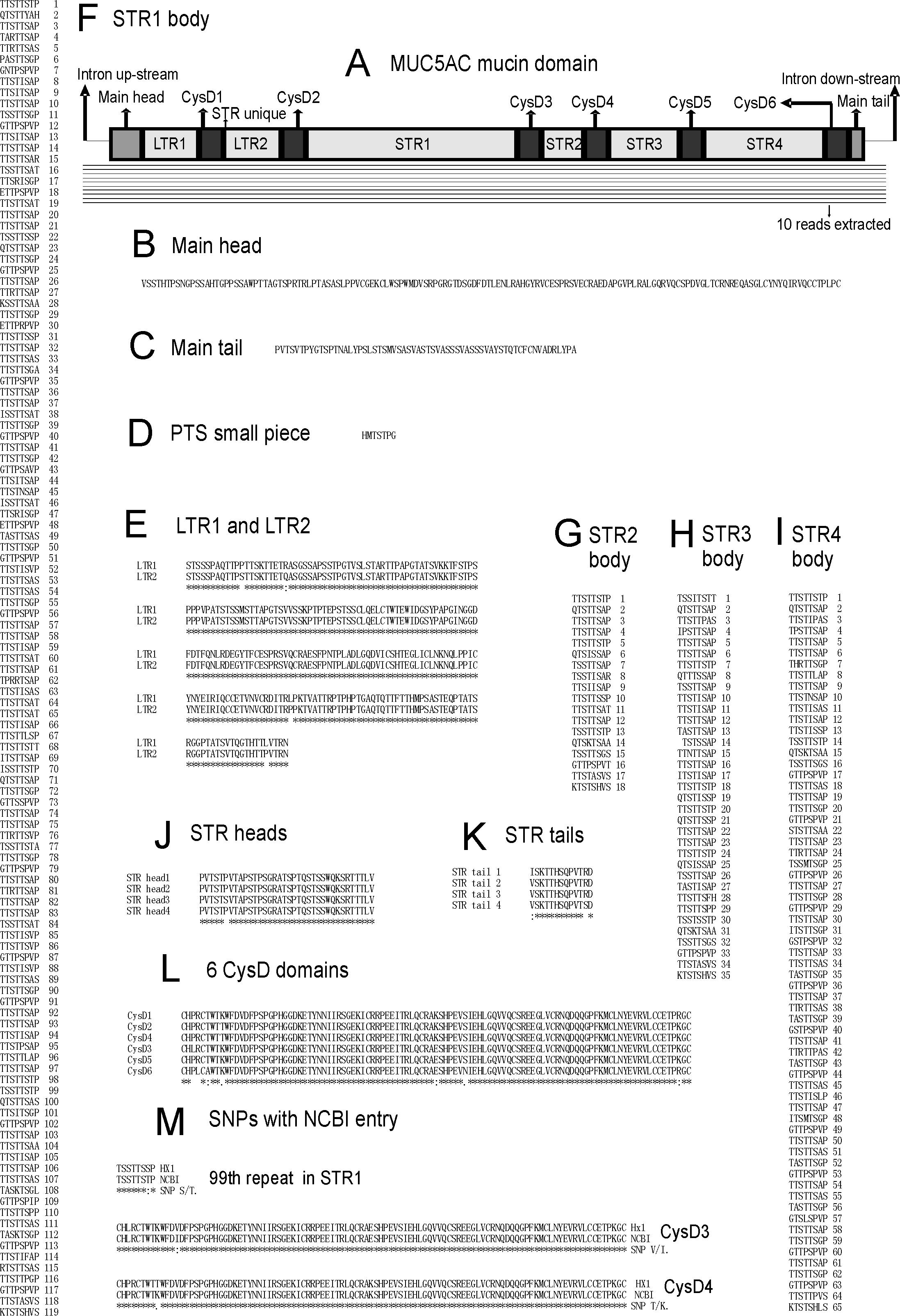
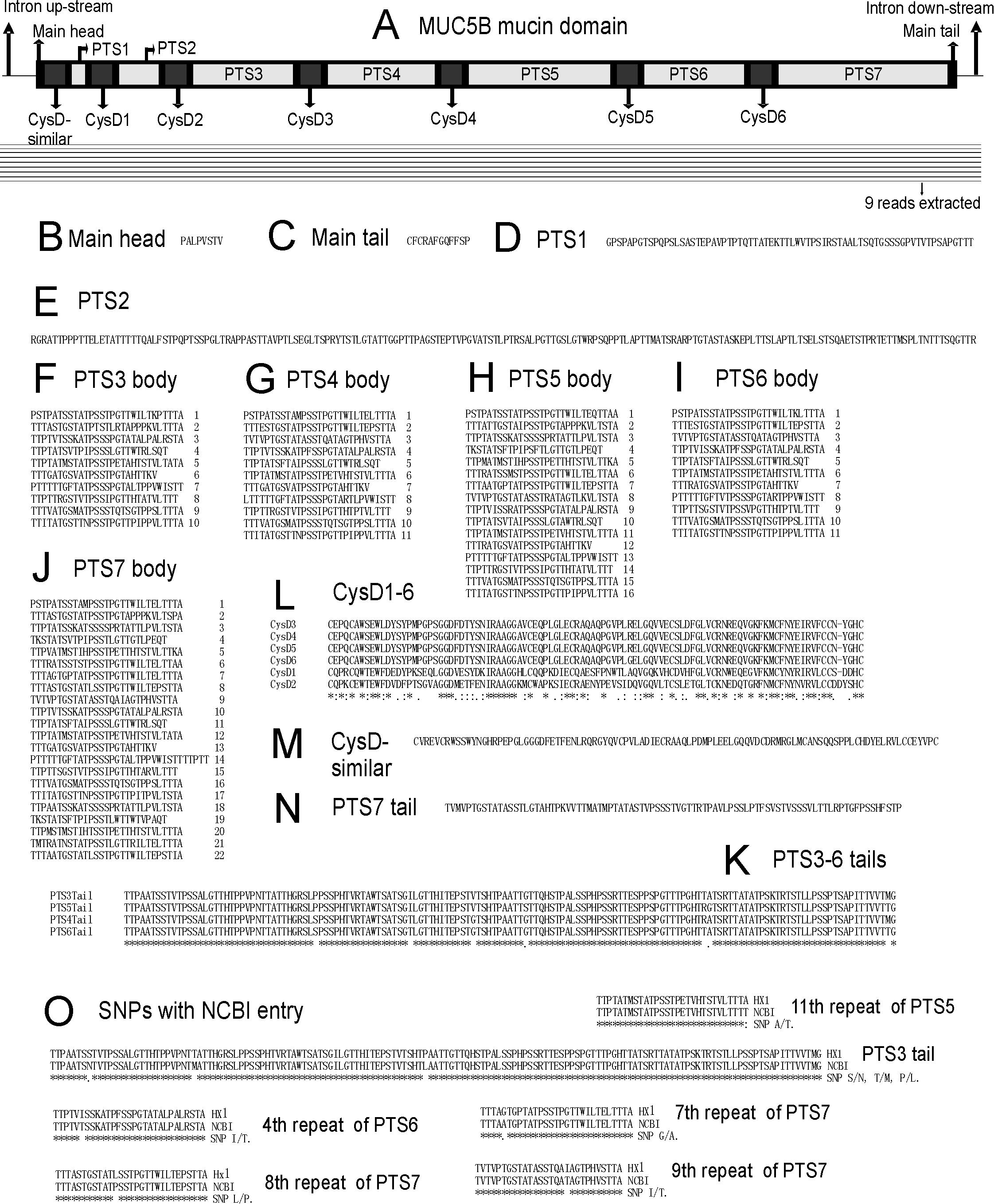
The novel human gene MUC3B discovered in 2022 serves as a crucial transmembrane mucin gene and acts as an important molecular foundation for maintaining the homeostasis of the human intestinal mucosal barrier. This discovery provides brand-new candidate targets and theoretical evidence for research on the pathogenesis of intestinal inflammation, gastrointestinal tumors and other related diseases. It also enriches the evolutionary research of the human mucin family and offers an important reference model for the exploration of other genes with repetitive and complex sequences.

This series of research achievements not only systematically clarifies the evolutionary context and molecular structural basis of mucins, but also provides key theoretical basis and technical references for the sequence design and in vitro preparation of artificially synthesized mucins. Furthermore, it opens up a clear path for the heterologous synthesis and directional modification of mucins in different animals, possessing important guiding significance for promoting the basic research and application transformation related to mucins.
Representive publications:
Lang T, Pelaseyed T* (2022) Discovery of a MUC3B gene reconstructs the membrane mucin gene cluster on human chromosome 7. PLoS ONE 17(10):e0275671-e0275688.
Lang T* (2022) Tandem repeats structure of gel-forming mucin domains could be revealed by SMRT sequencing data. Scientific Reports 12(1), 20652-20667.
Lang T, Klasson S, Larsson E, Johansson M,Hansson GC, Samuelsson T* (2016) Searching the evolutionary origin of epithelial mucus protein components – mucins and FCGBP. Molecular Biology and Evolution (MBE) 33(8):1921-1936.
Lang T,Hansson GC, Samuelsson T* (2007) Gel-forming mucins appeared early in metazoan evolution. Proceedings of the National Academy of Sciences of the United States of America (PNAS) 104(41):16209-16214.
Lang T,Hansson GC*, Samuelsson T (2006) An inventory of mucin genes in the chicken genome shows that the mucin domain of Muc13 is encoded by multiple exons and that ovomucin is part of a locus of related gel-forming mucins. BMC Genomics 7:197.
Lang T, Alexandersson M,Hansson GC*, Samuelsson T (2004) Bioinformatic identification of polymerizing and transmembrane mucins in the puffer fish Fugu rubripes. Glycobiology 14(6):521-527.
Dr. Tiange Lang’s introduction:
Major:Medical Bioinformatics
Degree:Ph.D.
Telephone:+86-15112110930
Email:langtiange@jnu.edu.cn
Academic Experience:
2016.11~NowResearcher inJinan University, Guangzhou, China. In 2022 discovered human gene MUC3B (together with Thaher Pesaleyed, 18th Ph.D. of Gunnar C. Hansson).
2011.01~2016.11Associate professor inXishuangbanna Tropical Botanical Garden (XTBG), Chinese Academy of Sciences (CAS).
2008.01~2010.12 Post-doc fellowship in INRA (French Institute of Agronomical Research), UMR BIOGECO (Biodiversity Genes & Communities).
2007.11~2008012 Research assistant atMucin Biology Group,Department of Medical Biochemistry and Cell Biology, Institute of Biomedicine, Göteborg University, Sweden.
2003.03~2007.10Ph.D. on Medical Bioinformatics inMucin Biology Group,Department of Medical Biochemistry and Cell Biology, Institute of Biomedicine,Göteborg University, Sweden.Major: Medical Bioinformatics. Supervisors: Gunnar C. Hansson and Tore Samuelsson. Gunnar C. Hansson was elected as a member at the Swedish Royal Academy of Sciences in 2015.
Dissertation thesis:Evolution of Transmembrane and Gel-forming Mucins Studied with Bioinformatic Methods
2001.09~2003.02Master of Science on Bioinformatics in Chalmers University of Technology, Sweden. Major: Bioinformatics.
1997.08~2001.07 Laboratory testing engineer on antibiotics research inShenyang Nanyang Pharmaceutical Ltd. Co., Shenyang, China.
1993.09~1997.07Bachelor of Engineering on Biopharmaceutics in China Pharmaceutical University.Major: Biopharmaceutics.
