

May17,Beijing— To address the escalating challenge of pneumococcal diseases amid China's demographic transition and advance the Healthy Aging initiative, theSymposium on Disease Burden, PreventionStatus,andPolicyRecommendationsforPneumococcalDiseaseinChina'sElderlyconvened successfully in Beijing. Hosted bytheSchoolofMedicine, Jinan University, the meeting brought together leading experts from China's public health system and international institutions.

Distinguished participants included Professor Liang Xiaofeng, Director of the Institute for Disease Control and Prevention at Jinan University;ProfessorGeorgeR. Siber of Johns Hopkins University; Director Yin Zundong of the National Immunization Program, China CDC; Director Director Shao Zhujun of the Respiratory Infections Division, China CDC;ChiefExpertWangHuaqingof the China CDC Immunization Program;DeputyDirectorAnZhijieof the China CDC
Immunization Program Center;AssociateDeanLiuTaoof the School of Medicine; andChiefExpertZhengHuizhenof the Guangdong Provincial Preventive Medicine Association.ProfessorCharlesFeldmanof the University of the Witwatersrand, South Africa, joined virtually.
Opening Remarks
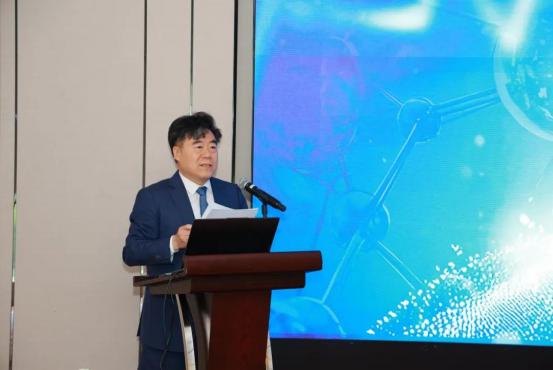
Professor Liang Xiaofeng delivered the opening address, extending warm welcome to all participants. He emphasized that pneumococcal disease ranks among the leading infectious causes of mortality in China's elderly population. Despite this burden, pneumococcal vaccination coverage remains suboptimal due to limited public awareness and affordability constraints. Establishing robust surveillance systems and accelerating vaccine development, he asserted, constitute urgent priorities.
Thematic Presentations
The symposium featured four targeted presentations:
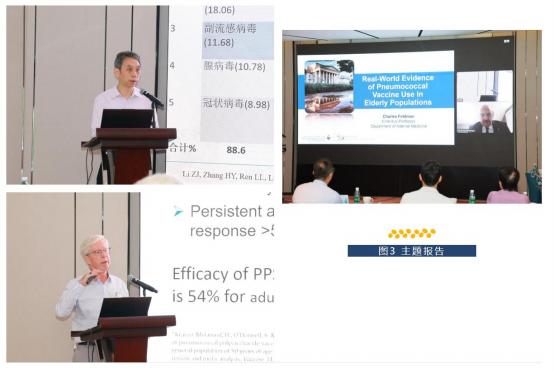
DeputyDirectorAnZhijieanalyzedglobalage-specificincidencepatternsanddiseaseburdendata, underscoring the imperative to develop indigenous surveillance systems and novelmultivalent conjugate vaccines to systematically address demographic agingchallenges.
Professor George R. Siber drew upon U.S. prevention experience, recommending tailoredvaccinedevelopmentoptimizedforlocalserotypecoverage,withpriorityexpansionof childhoodimmunization to achieve herd immunity protection for older adults.
Professor Charles Feldman (virtual participation) advocated for the "Four Rs"framework—Recommend, Repeat, Remind, Review—to enhance vaccination uptake amongelderly populations.
Panel Discussion
The final session focused on non-National Immunization Program (non-NIP) vaccine evaluation, immunization strategies, delivery system strengthening, and public trust. Key insights included:
DirectorYinZundongcalledforenhancedtransparencyregardingvaccineefficacyandsafetyprofiles, alongside pricing strategies within public reach to meet population immunization needs.
Professor Jiang Rongmeng, Vice PresidentofBeijing DitanHospital,stressedtheimportanceofachieving high vaccination coverage among healthcare workers and combating vaccinemisinformation.
ProfessorZhangJing,Chief of RespiratoryMedicineatZhongshanHospital,FudanUniversity,identifiedfragmenteddeliverysystemsandambiguousguidelinerecommendationsasbarrierstoimplementation from the clinical perspective.
Chief Expert Zheng Huizhen emphasized priority vaccination for elderly individuals withchronic comorbidities.
Associate DeanLiuTaoadvocatedleveraging university researchcapacities toprovidetechnicalsupport for immunization system development andoptimization.
Consensus and Conclusions
Participants unanimously agreed that with China having entered an aging society, systematic advancement of pneumococcal immunization strategies is essential. Establishing comprehensive life-course immunization barriers represents a critical mechanism for mitigating the health challenges posed by population aging.
